

Sleep’s effects on memory and generalization: continuation

Sleep’s effects on memory and generalization: continuation

The role of sleep in memory consolidation and generalization is complex and multifaceted. Sleep strengthens memory consolidation by facilitating the integration of new information into long-term memory networks, with processes like fast mapping enabling rapid cortical plasticity. Sleep is believed to play a role in generalization by transforming specific episodic memories into more abstract semantic knowledge, though research shows mixed findings on the effects of sleep on generalization. Studies on spatial memory, language learning, and fear conditioning reveal that sleep can either support or hinder generalization depending on the context, with REM sleep often playing a significant role. Moreover, mechanisms such as sleep spindle activity and targeted memory reactivation during sleep further influence the consolidation and generalization of both factual and emotional memories. However, not all types of learning benefit equally from sleep, suggesting that sleep’s effects on memory and generalization are task-specific. Continue reading Sleep’s effects on memory and generalization: continuation

The fallacy of poverty and the utilitarian justification of freedom

The fallacy of poverty and the utilitarian justification of freedom

The essay explores the justification of political-socioeconomic systems from individualist and collectivist perspectives. It examines the dilemma of wealth distribution and how different philosophies, such as capitalism and socialism, address poverty and general well-being. The argument is made that individual freedom, along with the ability to achieve high states of reward, is key to prosperity and poverty eradication. Limiting freedom to combat poverty is seen as a mistake that has historically led to adverse outcomes. Ultimately, the essay emphasizes that the true solution to poverty lies in a system that enables individuals to develop their capacities and generate wealth without coercion. Continue reading The fallacy of poverty and the utilitarian justification of freedom

La falacia de la pobreza y la justificación utilitarista de la libertad

La falacia de la pobreza y la justificación utilitarista de la libertad

El ensayo explora la justificación de los sistemas político-socioeconómicos desde perspectivas individualistas y colectivistas. Se plantea el dilema de la equidad en la distribución de la riqueza y cómo diferentes filosofías, como el capitalismo y el socialismo, abordan la pobreza y el bienestar general. Se argumenta que la libertad individual, junto con la capacidad de alcanzar altos estados de recompensa, es clave para la prosperidad y la erradicación de la pobreza. La restricción de la libertad en pos de combatir la pobreza es vista como un error que históricamente ha llevado a resultados adversos. Finalmente, se destaca que la verdadera solución a la pobreza radica en un sistema que permita el desarrollo de las capacidades individuales y la generación de riqueza sin coerción. Continue reading La falacia de la pobreza y la justificación utilitarista de la libertad

Sleep’s effects on memory and generalization

Sleep’s effects on memory and generalization

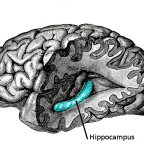
Sleep plays a crucial role in memory consolidation and the ability to generalize knowledge. Research suggests that sleep enhances associative memory, facilitates integration of new information into existing schemas, and aids in the abstraction of general rules. Both REM sleep and slow-wave sleep (SWS) contribute to these processes through distinct neural mechanisms, including hippocampal reactivation and neocortical restructuring. However, discrepancies exist regarding the extent of sleep’s effect on generalization, with some studies indicating that wakefulness might play an equally important role. While sleep appears to decontextualize memories, allowing for broader application, its benefits are not uniform across different types of learning tasks. Continue reading Sleep’s effects on memory and generalization

The science of mindfulness vs relaxation techniques. Are they the same? Are ones better than the others?

The science of mindfulness vs relaxation techniques. Are they the same? Are ones better than the others?

Mindfulness and relaxation techniques are often confused, as both can reduce stress and improve well-being. However, there are key differences between them. While mindfulness focuses on present-moment awareness and non-judgmental acceptance, relaxation techniques aim to induce a state of calm and tranquility. Studies have shown that both practices effectively reduce distress, but mindfulness meditation may offer additional benefits by decreasing rumination and enhancing emotional regulation. Although the evidence is not conclusive, mindfulness appears to have a deeper impact on stress reduction compared to traditional relaxation methods. Continue reading The science of mindfulness vs relaxation techniques. Are they the same? Are ones better than the others?

La ciencia del mindfulness vs las técnicas de relajación. ¿Son lo mismo? ¿Son unas mejores que las otras?

La ciencia del mindfulness vs las técnicas de relajación. ¿Son lo mismo? ¿Son unas mejores que las otras?

El mindfulness y las técnicas de relajación suelen confundirse, ya que ambas pueden reducir el estrés y mejorar el bienestar. Sin embargo, existen diferencias clave entre ellas. Mientras que el mindfulness se centra en la atención plena y la aceptación del presente sin juzgar, las técnicas de relajación buscan inducir un estado de calma y tranquilidad. Estudios han mostrado que ambas prácticas son efectivas para reducir la angustia, pero la meditación mindfulness podría ofrecer beneficios adicionales al disminuir la rumiación y mejorar la regulación emocional. A pesar de que la evidencia no es concluyente, parece que el mindfulness tiene un impacto más profundo en la reducción del estrés en comparación con la relajación tradicional. Continue reading La ciencia del mindfulness vs las técnicas de relajación. ¿Son lo mismo? ¿Son unas mejores que las otras?

The case against animal consumption from the health perspective

The case against animal consumption from the health perspective

The essay argues against the consumption of animal-based foods from a health perspective. It highlights that, similar to tobacco, there is no safe level of consumption for these foods, as scientific evidence shows a link between their intake and various diseases, such as cardiovascular disease, type 2 diabetes, and certain types of cancer. It mentions Dr. Michael Greger and his advocacy for a plant-based diet, as well as scientific studies supporting the benefits of vegetarian or vegan eating. Popular beliefs, such as the idea that moderate alcohol consumption is beneficial or that dietary balance justifies including animal-based foods, are also debunked. Overall, the essay emphasizes the need to reconsider nutritional guidelines based on available evidence Continue reading The case against animal consumption from the health perspective

El caso contra el consumo de animales desde la perspectiva de la salud

El caso contra el consumo de animales desde la perspectiva de la salud

El ensayo argumenta en contra del consumo de productos de origen animal desde la perspectiva de la salud. Se destaca que, al igual que con el tabaco, no existe un nivel seguro de consumo de estos alimentos, ya que la evidencia científica muestra una relación entre su ingesta y diversas enfermedades, como enfermedades cardiovasculares, diabetes tipo 2 y algunos tipos de cáncer. Se menciona el caso del Dr. Michael Greger y su promoción de una dieta basada en plantas, así como estudios científicos que respaldan los beneficios de una alimentación vegetariana o vegana. También se desmitifican creencias populares, como la idea de que el consumo moderado de alcohol es beneficioso o que el balance en la dieta justifica la inclusión de alimentos de origen animal. En general, se enfatiza la necesidad de reconsiderar las recomendaciones nutricionales en función de la evidencia disponible. Continue reading El caso contra el consumo de animales desde la perspectiva de la salud

The transgender and the subject of human essence

The transgender and the subject of human essence

The debate on gender identity focuses on the interrelation between mind and body, questioning the validity of the objectivist argument that denies trans identity based solely on biological sex. This argument, often put forth by figures from the conservative political spectrum, asserts that what a person feels does not alter their objective reality. However, this stance ignores the fact that gender identity involves both biological and mental aspects and that human beings are integrated wholes where the physical and the subjective are interconnected.

The essay refutes the comparison between trans identity and identification with other immutable characteristics, such as height, arguing that gender identity is determined by complex neural and hormonal processes. Through an analogy, it suggests that if a person were to wake up in another being’s body without losing their identity, they would still be who they are, reinforcing the idea that gender cannot be reduced solely to the body. Finally, the ethical and moral significance of recognizing gender identity and respecting the psychological integrity of trans individuals is emphasized, avoiding simplistic reductionisms that fragment the human being. Continue reading The transgender and the subject of human essence

Lo transgénero y el tema de la esencia humana

Lo transgénero y el tema de la esencia humana

El debate sobre la identidad de género se centra en la interrelación entre mente y cuerpo, cuestionando la validez del argumento objetivista que niega la identidad trans basándose exclusivamente en el sexo biológico. Este argumento, esgrimido frecuentemente por figuras del espectro político conservador, sostiene que lo que una persona siente no altera su realidad objetiva. Sin embargo, esta postura ignora que la identidad de género involucra tanto aspectos biológicos como mentales, y que el ser humano es un todo integrado donde lo físico y lo subjetivo se interrelacionan.

El ensayo refuta la comparación entre la identidad trans y la identificación con otras características inmutables, como la estatura, argumentando que la identidad de género está determinada por complejos procesos neuronales y hormonales. A través de una analogía, se plantea que si una persona despertara en el cuerpo de otro ser sin perder su identidad, seguiría siendo quien es, lo que refuerza la idea de que el género no puede reducirse solo al cuerpo. Finalmente, se destaca la relevancia ética y moral del reconocimiento de la identidad de género y el respeto por la integridad psicológica de las personas trans, evitando reduccionismos simplistas que fragmentan al ser humano. Continue reading Lo transgénero y el tema de la esencia humana