Cuatro ensayos cortos – 3 Sobre los Derechos

Cuatro ensayos cortos – 3 Sobre los Derechos

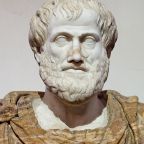
El ensayo reflexiona sobre la naturaleza de los derechos y cuestiona la noción de criterios objetivos e independientes del sujeto para definirlos. Propone que los derechos pueden entenderse como “posibilidades” y argumenta que el único derecho fundamental es el uso de espacios y objetos para fines propios, lo cual se relaciona con la noción de propiedad. También se aborda el rol de los altos estados de recompensa en la concepción de derechos, el límite de estos en el contexto político, y la relación entre propiedad, información personal y conflictos. El texto enfatiza que cualquier criterio de derechos debe minimizar los conflictos para ser válido. Continue reading Cuatro ensayos cortos – 3 Sobre los Derechos
Four short essays – 1 On Ontological Randomness

Four short essays – 1 On Ontological Randomness

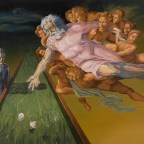
The essay explores the concept of ontological randomness and its connection to the configuration and state changes in reality. It examines whether the primordial entities of existence and the changes they undergo can lack causes or are determined by their inherent structure. The discussion also delves into the logical implications of a universe where state changes are arbitrary or restricted but not determined, and how this affects the universe’s configuration as we observe it. The text emphasizes a structural and geometric perspective to understand the properties and behavior of material entities. Continue reading Four short essays – 1 On Ontological Randomness

Cuatro ensayos cortos – 1 Sobre el Azar Ontológico

Cuatro ensayos cortos – 1 Sobre el Azar Ontológico

El ensayo aborda la noción del azar ontológico y su relación con la configuración y el cambio de estado en la realidad. Se analiza si las entidades primordiales de la existencia y los cambios que experimentan pueden carecer de causas, o si están determinados por su estructura inherente. También se reflexiona sobre las implicancias lógicas de un universo donde el cambio de estado sea arbitrario o restringido, pero no determinado, y cómo esto influye en la configuración del universo tal como lo observamos. El texto enfatiza una perspectiva estructural y geométrica para comprender las propiedades y el comportamiento de las entidades materiales. Continue reading Cuatro ensayos cortos – 1 Sobre el Azar Ontológico

Is it relevant for our lives to know what’s the meaning of everything?

Is it relevant for our lives to know what’s the meaning of everything?

The meaning of life is a fundamental question that has intrigued philosophy. Beyond whether we can find an objective answer, this text reflects on the possibility of living without knowing that meaning, emphasizing the importance of flowing with nature and accepting reality as it is. Drawing inspiration from philosophies like Taoism and Zen, it suggests that many life processes happen spontaneously and do not require our consciousness to unfold. When we try to force a meaning or control the natural flow, negative consequences often arise. Thus, it advocates letting life take its natural course and seeking balance instead of imposing rigid ideas that disrupt this flow. Continue reading Is it relevant for our lives to know what’s the meaning of everything?

¿Es relevante para nuestra vida saber cuál es el sentido de todo?

¿Es relevante para nuestra vida saber cuál es el sentido de todo?

El sentido de la vida es una pregunta fundamental que ha intrigado a la filosofía. Más allá de si podemos encontrar una respuesta objetiva, el texto reflexiona sobre la posibilidad de vivir sin conocer ese significado, destacando la importancia de fluir con la naturaleza y aceptar la realidad tal como es. Inspirándose en filosofías como el taoísmo y el zen, se propone que muchos procesos de la vida suceden de manera espontánea y no necesitan de nuestra conciencia para desarrollarse. Al intentar forzar un significado o controlar el flujo natural, muchas veces se generan consecuencias negativas. Así, se aboga por dejar que la vida siga su curso natural y buscar equilibrio, en lugar de imponer ideas rígidas que perturben este fluir. Continue reading ¿Es relevante para nuestra vida saber cuál es el sentido de todo?

The unequal treatment for non-equal people – Some reflections

The unequal treatment for non-equal people – Some reflections

The essay explores the concept of equality before the law and its evolution in modern societies, particularly the shift toward affirmative action or positive discrimination. It examines the tensions between meritocracy and policies aimed at leveling the playing field for disadvantaged groups. While such measures aim to address historical injustices, they may inadvertently create ethical and practical dilemmas, including undermining personal agency, fostering resentment, and opening avenues for political corruption. The author argues for a nuanced understanding of the consequences of positive discrimination and questions whether it truly aligns with principles of justice and societal well-being. Continue reading The unequal treatment for non-equal people – Some reflections

El trato desigual para personas no-iguales – Algunas reflexiones

El trato desigual para personas no-iguales – Algunas reflexiones

El ensayo “El trato desigual para personas no-iguales – Algunas reflexiones” explora la compleja relación entre la igualdad ante la ley, la discriminación positiva y la meritocracia. Analiza cómo las políticas de acción afirmativa buscan equilibrar las desigualdades estructurales, pero enfrentan críticas por contradecir principios meritocráticos y generar posibles efectos contraproducentes, como perpetuar estereotipos negativos o afectar la agencia personal y autoestima de los involucrados. También se reflexiona sobre las implicancias éticas y sociales de estas políticas, su impacto en la libertad individual, y los riesgos de corrupción política al otorgar tratos preferenciales. Continue reading El trato desigual para personas no-iguales – Algunas reflexiones

The unmoved mover is not an argument in favor of the existence of God

The unmoved mover is not an argument in favor of the existence of God

Aristotle’s concept of the unmoved mover has been widely used to justify the existence of God. However, this essay argues that the concept does not necessarily support such a conclusion. While my perspective on this argument has evolved and is explored in depth in my book This Is It, here I offer a critical reflection on how motion and the structures of reality can be explained without invoking a transcendent being, rethinking the relationship between causality, metaphysics, and ethics. Continue reading The unmoved mover is not an argument in favor of the existence of God

El primer motor inmóvil no es un argumento a favor de la existencia de Dios

El primer motor inmóvil no es un argumento a favor de la existencia de Dios

El concepto del primer motor inmóvil de Aristóteles ha sido ampliamente utilizado para justificar la existencia de Dios. Sin embargo, este ensayo argumenta que dicho concepto no necesariamente sustenta tal conclusión. Aunque mi visión sobre este argumento ha evolucionado y se encuentra desarrollada en profundidad en mi libro Esto es Todo, aquí propongo una reflexión crítica sobre cómo el movimiento y las estructuras de la realidad pueden explicarse sin recurrir a un ente trascendente, replanteando la relación entre causalidad, metafísica y ética. Continue reading El primer motor inmóvil no es un argumento a favor de la existencia de Dios

The Master and the Common Man in the Tao Te Ching – Some Reflections

The Master and the Common Man in the Tao Te Ching – Some Reflections

This essay explores the concepts from the Tao Te Ching regarding the Master and the common man, highlighting the difference between acting naturally and selflessly versus seeking results with selfish intentions. It reflects on how the conscious pursuit of virtues like justice or power can detract from the authenticity of human actions. The importance of balancing consciousness and unconsciousness in behavior is also discussed, emphasizing how naturalness can influence excellence while acknowledging the need for harmony between these aspects to promote well-being and authenticity. Finally, it analyzes how conscious expectations can affect happiness, suggesting a life more aligned with the Tao as a path to fulfillment. Continue reading The Master and the Common Man in the Tao Te Ching – Some Reflections